
Case Study · Subaru EyeSight Calibration
What a Clean EyeSight Calibration Actually Looks Like
Eight minutes on a 2020 Outback, and the six habits that made it possible.
Neng Vang · US-based Brand Specialist, AirPro Diagnostics
Summary
A shop had its target staged before the call on a 2020 Subaru Outback. AirPro Brand Specialist Neng Vang questioned a seat weight calibration written on the estimate, sequenced the work deliberately, verified live data rather than trusting the completion message, and recorded a passing EyeSight result, then held the line until the tool connected for the drive.
At a Glance
| Service | Subaru EyeSight Calibration |
|---|---|
| Vehicle | 2020 Subaru Outback |
| Also performed | Passenger seat weight calibration |
| AirPro Brand Specialist | Neng Vang |
| Call duration | About 8 minutes |
| Static EyeSight result | Passed |
| Sequence | Seat weight calibration → static EyeSight calibration → key cycle and code clear → dynamic drive portion |
| Outcome | Clean pass, verified against live data, technician released for the drive cycle with connectivity confirmed |
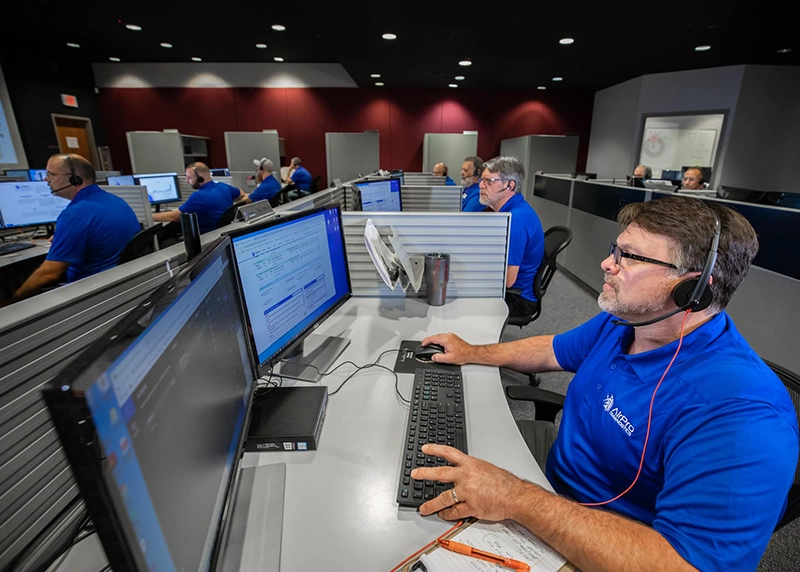
The Brand Specialist on this call
Neng Vang
Neng Vang is a US-based Brand Specialist at AirPro Diagnostics and handles a large share of the Subaru work that comes through the platform. He has worked in repair shops and performed ADAS diagnostics and calibrations himself. On every AirPro service, a Brand Specialist runs the procedure alongside the shop’s technician and confirms the result against the OEM position statement.
Nothing Went Wrong. That’s the Point.
Most of what gets written about ADAS calibration is about jobs that go sideways. Fair enough. Those are the interesting ones. But shops keep asking me a version of the same question, which is roughly: what does it look like when it just works?
So here’s an ordinary Tuesday afternoon on a 2020 Outback. Eight minutes, nothing dramatic, a clean pass. I want to walk through it because the reason it went smoothly isn’t luck. There are six specific things that made it go that way, and every one of them is something a shop can repeat.
It Started Before I Called
This shop had read the job, knew what it needed, and had it staged.
When I got the technician on the line, the first thing he said was that he had the target set up and was ready whenever I was.
That sounds small. It isn’t. A large share of the time I spend on calibrations is spent waiting for a target to get located, positioned, and squared up while the tech and I talk about the weather. This shop had read the job, knew what it needed, and had it staged.
Everything downstream of that was faster because of it.
The Question I Ask That Surprises People
The estimate had a passenger seat weight calibration written on it alongside the EyeSight calibration. So I asked him: “They wrote it for that, but do you think it needs it, or do you want to do it? If you don’t, that’s fine.”
People are sometimes caught off guard when I ask that. I think they expect the vendor to just run whatever’s on the sheet.
I don’t want to run a procedure a car doesn’t need. It costs the shop time, it costs somebody money, and it puts a line in a repair file describing work that wasn’t necessary. If I can save a shop a step, I’d rather save them the step.
In this case he told me it was written for and he wanted it done. That’s a completely reasonable answer. When it’s on the estimate, doing it is the clean path. So we did it, and we did it properly.
For what it’s worth, seat weight calibrations end up written on a lot of estimates as a matter of routine rather than because someone assessed the vehicle and decided it needed one. That’s worth knowing if you’re the one writing them.
Order Matters
We did the seat weight calibration first, then EyeSight.
That’s deliberate. The seat procedure involves the technician moving through the cabin, cycling the key, and putting weight in and out of the passenger seat. None of that is something you want happening in the middle of a camera calibration. Get the work that requires moving around the vehicle done, settle the car, then shoot the camera.
For the seat calibration itself, the conditions matter more than the steps: passenger seat forward, backrest to its full upright lock, seat completely empty, seat belt unbuckled, technician sitting in the driver’s seat and not the passenger’s. Then a key cycle, then a known weight added when I call for it, then removed.
The one part I’ll flag: the weight has to be a weight you actually know. Not “about ten pounds.” Ten pounds. The system is calculating against the number you tell it.
The Step Most People Skip
A completion message tells you a procedure ran. It does not tell you the module is now reporting sensible values.
After the seat calibration reported complete, I pulled the live data and looked at it before moving on.
I want to be clear about why, because this is the habit I’d most like to pass along. A completion message tells you a procedure ran. It does not tell you the module is now reporting sensible values. Those are two different claims, and only one of them is the one you care about.
It took me about ten seconds. The data was good. We moved on.
If it hadn’t been good, I’d have found that out with the car still in the bay and the technician still standing next to me on the phone, rather than three days later when somebody calls the shop back.
The EyeSight Calibration
Target was already set. I confirmed with him that everything was clear, told him I was going to shoot it, and ran it.
It passed. He read the result off the screen himself, which I like. When the technician sees the number, nobody has to take my word for anything. Then a short key-off pause, key back on, and he cleared the remaining code. That’s the static portion done.
Why I Didn’t Hang Up Yet
Two minutes of confirming beats twenty minutes of a wasted road test.
EyeSight needs a drive portion after the static calibration, so the technician was about to leave with the tool. Before he did, I had him confirm the tool was connected to his hotspot, and I waited on the line until I could see that I was actually into it from my end.
That’s a couple of minutes of what looks like nothing happening. Here’s why I spend them: if that connection drops after he pulls out of the lot, he drives the whole cycle for nothing and comes back to a job that didn’t finish. Then we do it all again. Two minutes of confirming beats twenty minutes of a wasted road test.
Once I could see the tool, I told him to go ahead and drive it, and that I’d call him when it was done.
The Whole Thing Took About Eight Minutes
No faults that wouldn’t clear. No bent brackets. No missing targets. No arguments about scope.
I’ve had EyeSight jobs run forty-five minutes, and usually the reason isn’t the calibration. It’s that the target wasn’t ready, or the estimate asked for something the car doesn’t need, or nobody checked whether the shop had the right equipment before the car went in the bay.
Neng’s notes
What Made It Go This Way
- The target was staged before the call. Read the job, know what it needs, have it set up. This is the single biggest time saver available to a shop and it costs nothing.
- The scope got questioned, not assumed. Ask whether the car needs what’s written. Sometimes the answer is yes and you proceed. Sometimes it isn’t, and you just saved everyone a step.
- The order was deliberate. Procedures that involve moving around the vehicle come before procedures that require the vehicle to sit still.
- Known values, not approximate ones. When a procedure asks you what weight you put on the seat, it’s doing math with that number.
- The data got checked, not just the message. Ten seconds to confirm the module is reporting sensibly. This is the difference between a calibration that completed and a calibration that worked.
- Connectivity got confirmed before the drive. Nobody leaves on a road test until we both know the tool is talking.
None of that is advanced. All of it is the difference between eight minutes and forty-five.
More case studies
Real calls, real vehicles, real results
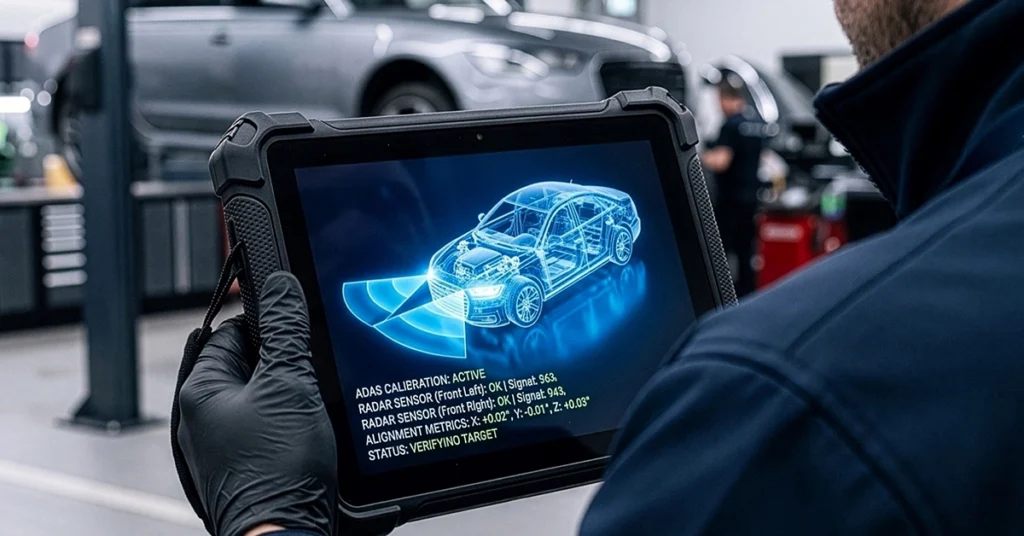
Case Study: The Year the Park Sensors Started Needing Calibration
Eight model years of plug and play, then a change nobody announces on the outside of the truck.
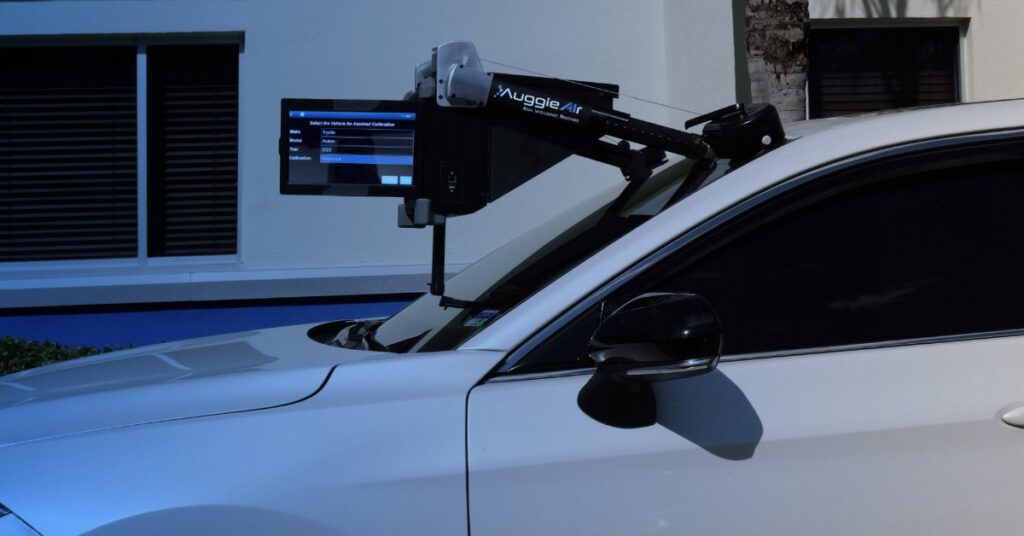
Case Study: The Forward-Facing Camera Calibration That Was Almost Missed
Both doors, the fender, the whole side were repaired but the windshield was never touched.
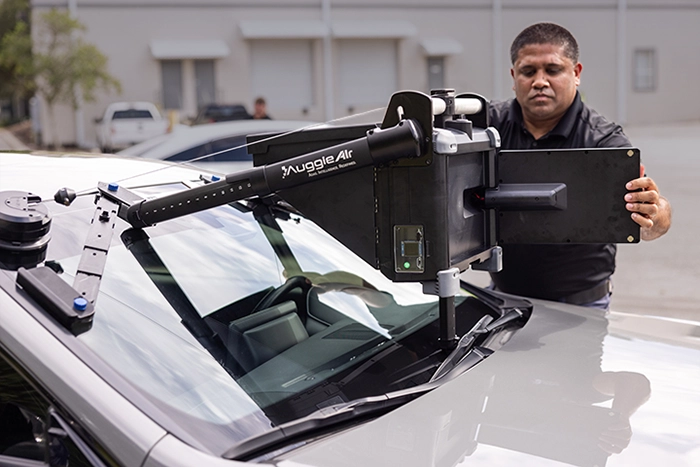
Case Study: The Radar They Replaced for Nothing
A brand-new radar came out of the box eight degrees off, and the one before it probably had too.
Be the one-stop shop your customers are looking for
Meet with an AirPro rep to find the best solution for your business today. Become the standout amongst your competitors.